
What Is an Embedded SIM and How It Differs From a Physical SIM
Which eSIM Card Is Best for Travel in 2025
Tired of fumbling with tiny plastic SIM cards or hunting for a paperclip to swap them when traveling, an eSIM offers a seamless alternative. This embedded digital SIM is built directly into your device, allowing you to activate a cellular plan without a physical card. You can simply download a carrier profile and switch between providers or data plans through your phone’s settings. Its primary benefit is the convenience of instant digital activation, eliminating the need to wait for or handle a physical SIM.
What Is an Embedded SIM and How It Differs From a Physical SIM
An embedded SIM, or eSIM, is a tiny chip soldered directly onto a device’s motherboard, unlike a physical SIM that you can pop out and swap. When you sign up for a new carrier, you download a digital profile to this chip instead of inserting a plastic card. This means your phone can switch networks entirely through software, without needing to find, buy, or handle a tiny physical card. For a traveler, this feels almost like the phone itself adapts to a new country, instantly activating a local plan you selected from a menu—no fumbling with a SIM ejector or worrying about losing the card you just removed.
The core definition of a programmable chip inside modern devices
The core definition of a programmable embedded chip within a modern device is a soldered, non-removable integrated circuit that stores and manages multiple mobile network operator profiles digitally. Unlike a physical SIM, this chip is rewritten over-the-air to change carriers or plans. Its function is to securely authenticate the device to a network without requiring a physical card swap.
- It is permanently attached to the motherboard during manufacturing.
- It contains a rewritable secure element for credential storage.
- It activates via a profile download, replacing physical SIM insertion.
Key structural differences between removable SIMs and soldered alternatives
The fundamental structural distinction lies in physical integration. A removable SIM is a discrete, portable chip designed to be manually inserted into a tray or slot, allowing the user to swap carriers by exchanging the card. In contrast, a soldered embedded SIM (eSIM) is permanently attached to the device’s motherboard during manufacturing, eliminating the need for a physical slot. This fixed design removes the tray mechanism and associated moving parts, enabling a completely sealed device and freeing internal space for other components. Because it is soldered, the eSIM cannot be physically removed or transferred between devices, making its structural role as a non-removable integrated component a definitive point of divergence.
| Aspect | Removable SIM | Soldered eSIM |
|---|---|---|
| Physical connection | Inserted into a spring-loaded tray or slot | Soldered directly to the circuit board |
| User handling | Requires manual insertion/removal | Never physically accessed or removed |
| Space requirement | Dedicated slot and tray consume volume | No slot; chip occupies minimal footprint |
| Mechanical durability | Subject to wear from slot/tray use | Fixed, with no moving parts to degrade |

How remote provisioning replaces the need for swapping plastic cards
Remote provisioning eliminates the physical act of swapping plastic SIM cards by allowing you to download and activate a mobile network profile directly onto your device’s embedded SIM. When you want to change carriers or add a second line, you simply scan a QR code or tap a profile from a carrier app. This process writes the new credentials over the air, effectively replacing the old plastic card. The over-the-air profile activation handles everything:
- Select a new plan from your device’s interface.
- Receive and install the encrypted digital profile.
- Instantly switch networks without touching any physical hardware.

Devices That Support This Digital SIM Technology
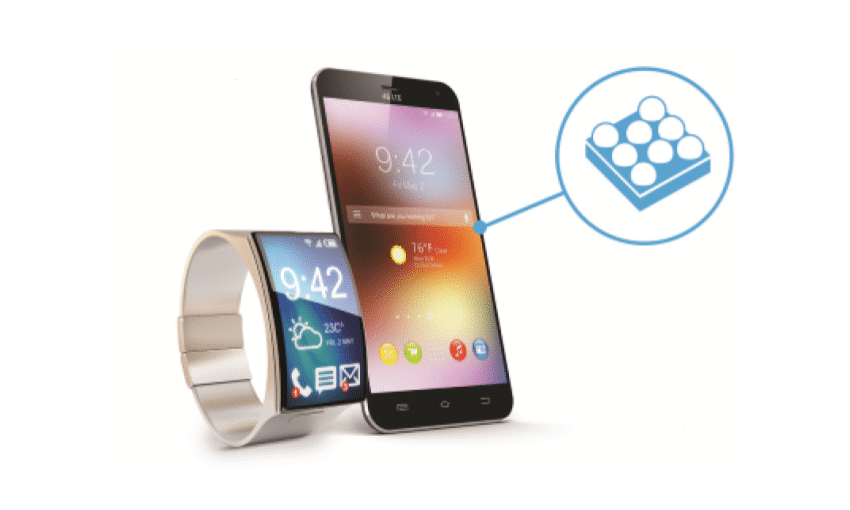
The first time I held a flagship smartphone with an eSIM, the setup was seamless—no tiny tray to eject, just a QR code from my carrier. Today, most premium models from Apple, Google, and Samsung support this digital SIM, alongside select mid-range Android phones and recent iPads. Apple’s iPhone 14 lineup in the U.S. even lacks a physical SIM slot entirely. Smartwatches, like the Apple Watch Series 5 and newer, also embed eSIM for standalone cellular. Q: Can you switch phones easily? A: Yes—scan a new QR code or use the carrier’s app, and your number activates digitally, no physical card swap needed.
Latest smartphones and tablets with built-in compatibility
Latest flagship smartphones from Apple, Samsung, and Google now feature built-in eSIM compatibility, allowing dual SIM use without a physical tray. For example, the iPhone 15 Pro supports two active eSIMs, while the Samsung Galaxy S24 series offers seamless switching between carriers. To enable cellular plans on these devices, users follow a standard sequence:
- Navigate to Settings and select Mobile Data or Connections
- Scan a QR code provided by the carrier or download their app
- Confirm activation after automatic network detection
Tablets like the iPad Pro (M4) have native eSIM support, letting travelers add local data plans instantly without swapping cards. All listed devices allow storing multiple profiles, though only two can be active simultaneously. This integration eliminates the need for physical SIM removal during carrier changes.
Wearables like smartwatches and fitness trackers gaining connectivity
Smartwatches and fitness trackers are gaining connectivity through the eSIM, letting you leave your phone behind on runs. This means you can stream music or get notifications directly on your wrist. An eSIM makes these wearables truly independent, as they don’t need a physical nano-SIM slot for standalone smartwatch connectivity. For example, you can reply to texts while swimming, as the eSIM is sealed inside, waterproof and untouchable. Some models even auto-switch between your phone’s line and your watch’s separate number.
Q: How does an eSIM help a fitness tracker if I don’t want a phone number?
A: It can piggyback on your phone’s existing plan, so the tracker gets data for maps and playlists without a second line.
Laptops, routers, and IoT gadgets embracing integrated profiles
Laptops, routers, and IoT gadgets embracing integrated profiles let you ditch physical SIM swaps entirely. For a travel-friendly laptop setup, you can instantly activate a local data plan from your provider’s app, bypassing hotel Wi-Fi gimmicks. Smart routers with eSIM profiles can share one cellular connection across all your devices, making them a portable hotspot that never needs a plastic card. Meanwhile, IoT gadgets like security cameras or smart locks use these profiles to auto-connect to the strongest local network when you move them between locations, ensuring you never lose remote access.
| Device Type | Key Benefit of Integrated Profiles |
|---|---|
| Laptops | Add data plans on-the-fly without USB dongles |
| Routers | Pool a single eSIM across multiple gadgets |
| IoT Gadgets | Auto-switch networks when relocated |
Step-by-Step Process for Activating a Digital Profile

To begin, ensure your device is connected to Wi-Fi to download the eSIM profile. First, scan the QR code provided by your carrier or manually enter the activation code in your device’s cellular settings. Next, follow the on-screen prompts to activate your digital eSIM profile, which typically involves labeling the line (e.g., “Personal”) and selecting a default data line. After a brief installation, your digital profile will appear as a step-by-step eSIM activation process completes; you may need to restart your device to finalize network registration. Once active, test connectivity by toggling cellular data—your profile is now ready for immediate use.
Obtaining a QR code or activation code from your carrier
To start, you’ll need to get a unique activation code from your carrier, usually provided as a QR code or a manual SM-DP+ address. Most carriers email this code after you purchase an eSIM plan online or log into your account. You can also find it in their app under “Add eSIM” or “Get QR code.” Sometimes, they’ll send it via SMS or display it on a physical card in-store. Keep this code handy—you’ll scan or enter it on your phone to download the eSIM profile. If you lose it, just request a new one through customer support.
Navigating device settings to add a mobile data plan
To activate your eSIM, navigate to your device’s **mobile network settings** and select “Add Mobile Data Plan.” Scan the QR code provided by your carrier or enter the activation details manually. Ensure your eSIM profile downloads correctly before labeling it for easy identification.
- Open “Settings,” then “Cellular” or “Mobile Data.”
- Tap “Add Data Plan” and scan the carrier’s eSIM QR code.
- Follow on-screen prompts to confirm and activate the plan instantly.
Switching between multiple profiles without removing hardware
Switching between multiple profiles on an eSIM does not require removing or swapping any physical hardware. You simply access the device’s settings menu, select the active eSIM profile you wish to use, and deactivate or disable the current one. This process is instantaneous, allowing you to toggle between work, travel, or personal numbers on a single device. Each profile remains stored securely on the eSIM chip, so no physical removal or insertion is needed. Profile management is handled entirely through software, ensuring seamless transitions.
Switching between multiple eSIM profiles is a hardware-free process, achieved solely through device settings for instant profile activation or deactivation.
Major Benefits of Using a Programmable SIM Card
A programmable SIM card, in the context of an eSIM, delivers the core benefit of remote provisioning. This eliminates the need to physically swap plastic cards when changing carriers or plans; instead, you download a new profile directly onto your device. For frequent travelers, this is transformative, allowing instant activation of local data plans upon arrival without hunting for a physical SIM shop. A single eSIM can store multiple carrier profiles simultaneously, enabling effortless switching between work and personal lines or regional operators via a simple software menu. This flexibility also simplifies device fleet management, as administrators can push connectivity configurations to numerous smartphones or IoT sensors over the air, reducing logistical overhead and allowing instant adjustments to changing connectivity needs.
Effortless travel with instant local network switching
Forget fumbling with physical SIMs at airport kiosks. With a programmable eSIM, instant local network switching means you land and connect. No queuing, no swapping tiny cards. Your phone automatically grabs a local profile for fast data, dodging sky-high roaming fees. It happens in seconds, often before you’ve even cleared customs, giving you maps and messaging immediately.
| Before eSIM | With Instant Switching |
|---|---|
| Buy SIM at shop, wait | Activate profile from app |
| Remove case, swap card | Zero physical handling |
| Lost connectivity during swap | Seamless, continuous signal |
Dual-number capability for work and personal lines on one device
A programmable eSIM card enables true dual-number capability on one device, allowing users to integrate a work line and a personal line without swapping physical cards. This separation relies on the eSIM’s ability to store multiple profiles simultaneously, each assigned to a distinct number. The practical benefit is straightforward: you maintain a single handset while logically isolating calls, texts, and data usage per profile. For example, you can assign your work number for business hours and your personal number for off-hours, reducing context switching. Key steps to implement this include:
- Activating the primary physical SIM for one line (e.g., personal).
- Downloading and provisioning the work eSIM profile via a carrier’s QR code or app.
- Configuring device settings to label each line and set default calling or messaging preferences per contact.

Enhanced security through remote locking and profile erasure
A programmable SIM card provides remote locking and profile erasure as a direct security advantage over physical SIMs. If a device is lost or stolen, you can instantly lock the eSIM from any connected interface, cutting off all network access and preventing unauthorized usage. Should recovery be impossible, remotely erasing the profile renders the subscriber identity data permanently inaccessible, protecting personal credentials and linked services. This eliminates the window of vulnerability during which a physical SIM could be removed and inserted into another device. The process is immediate, requiring no carrier visit or replacement card, ensuring the user regains control over their connection credentials without delay.
Limitations and Challenges to Consider Before Switching
Before switching, a critical limitation is the device compatibility trap: not all phones support eSIM, and some carrier locks prevent transferring profiles. You cannot simply swap eSIMs between devices like physical cards; reissuing a new QR code or profile often requires internet access and carrier approval, which can fail mid-travel.
The single greatest challenge is that if your phone is lost or damaged, recovering your eSIM line without a backup device is far slower than inserting a physical SIM from another phone.
Additionally, switching carriers requires fully deleting the old profile first, risking temporary loss of service. Finally, some budget providers charge a reinstallation fee or limit eSIM transfers to one per month, creating unexpected costs and delays.
Carrier support gaps and limited availability in certain regions
Despite growing adoption, carrier support gaps remain a practical hurdle. In many rural areas or developing countries, mobile operators still lack eSIM infrastructure, forcing users to rely on physical SIMs. Even in supported regions, prepaid plans or smaller carriers often omit eSIM provisioning entirely. A traveler moving between countries may find that a local carrier offers no eSIM option at the kiosk, creating a sudden connectivity gap. Furthermore, some locked devices restrict eSIM activation to the original carrier, blocking access to alternate regional providers. This fragmentary availability means the promise of universal digital switching is not yet fulfilled everywhere.
Difficulty transferring between devices compared to physical cards
Switching an eSIM between devices introduces transfer friction absent with physical cards. A physical SIM simply moves from one slot to another; an eSIM typically requires re-downloading the profile, deactivating the old device, and scanning a new QR code or entering an activation code. The process often breaks down into a rigid sequence: first, you must manually delete the eSIM profile from the current phone via settings; second, you locate the original carrier-provided QR code or activation details; third, you scan that code on the new device. If the QR code is lost or the carrier imposes a one-time-use limit, you must contact support to reissue the profile. This sequential dependency makes last-minute swaps, like switching phones during travel, considerably slower than a physical SIM swap.
- Delete the profile on the source device.
- Retrieve or re-request the activation code.
- Scan the code on the target device to install the profile.
Battery drain and performance quirks reported by some users
Some users report noticeable eSIM battery drain when actively switching between multiple profiles, as the UK eSIM modem constantly polls for network registration. Performance quirks include delayed signal acquisition after toggling lines, occasional dropped connections during profile swaps, and slower data re-establishment compared to a physical SIM in low-coverage areas. These issues are often more pronounced on older or budget devices lacking optimized antenna tuning for eSIM operation.
Comparing Costs: Embedded vs. Traditional Sim Plans
When comparing costs, embedded SIM (eSIM) plans often eliminate physical SIM card fees, which traditional carriers may charge for replacement or activation. However, eSIM data packages can carry premium pricing for short-term travel plans, whereas traditional SIMs frequently offer cheaper long-term local contracts. For frequent travelers, the ability to switch between eSIM providers without shipping fees can offset slightly higher per-gigabyte costs over time. Ultimately, your total expense depends on usage patterns, as eSIMs remove hardware costs but may lack the budget-friendly multi-year discounts found in traditional postpaid plans.
Pricing structures for international roaming packages
Pricing structures for international roaming packages shift entirely with eSIMs, moving from daily pay-per-MB fees to bulk data bundles. Traditional SIMs often charge a flat daily rate, like $10 for 200MB, which can drain funds fast. eSIM providers offer granular control, letting you buy a 1GB package for $10 valid in 50 countries for a week. This targeted approach avoids paying for unused days or leftover data. Region-specific multi-country passes slash costs further, unifying prices across multiple nations for one low price.
Q: How do eSIM roaming bundles beat traditional per-day fees?
A: Instead of paying a fixed daily cost regardless of use, eSIMs let you purchase only the data you need, with transparent per-gigabyte rates that are often 80% cheaper for heavy users.
Hidden fees and contract requirements tied to digital plans
Hidden fees in digital plans, such as those for eSIMs, often appear as small activation charges or top-up minimums that aren’t visible at first glance. Contract requirements tied to these plans frequently mandate auto-renewal without clear cancellation windows, leading to unexpected billing cycles. Unlike traditional SIMs, some digital providers impose fees for plan changes or eSIM re-downloads after a device switch. You might also encounter surcharges for using high-speed data beyond a soft cap, which isn’t always disclosed upfront. Always review the fine print for data throttling terms and monthly commitment clauses before purchase, as they directly affect long-term cost predictability.
Long-term savings potential for frequent travelers

For frequent travelers, the long-term savings potential of eSIMs becomes pronounced when comparing the cumulative cost of repeated short-term data packs against a flexible eSIM plan. Unlike buying a new traditional SIM or paying roaming fees for each trip, a single global data plan purchase can be topped up or renewed across multiple destinations without physical swap fees. Over a few trips, these saved activation and shipping costs compound, as a regional eSIM plan often provides the same high-speed data at a lower per-gigabyte rate than separate local SIM purchases. This eliminates the recurring service charge typical of maintaining an active traditional SIM for sporadic international use, making eSIMs a more economical choice for those traveling several times a year.
How to Choose the Right Digital Plan for Your Needs
Choosing the right eSIM plan starts with mapping your actual data habits. Ask yourself: Do I mostly stream video or just check maps and messages? Light users can save money with a small 1–3 GB plan, while heavy streamers need an unlimited option. Also, check coverage maps—a cheap plan is useless if the network is weak where you travel. Compare plan lengths, too: a short trip needs a weekly pass, but long-term travelers benefit from a monthly rollover plan. Finally, prioritize providers offering easy top-ups via their app, so you can adjust your data mid-trip without hassle.
Evaluating network coverage and data speed guarantees
When evaluating an eSIM, focus on which network coverage and speed guarantees the provider actually backs up. Check if they offer a specific data cap for “guaranteed” speeds versus unlimited throttled access after peak usage. Some plans promise “true 4G/5G” but deprioritize your data once you exceed a daily limit. For travelers, cross-reference the provider’s local network partners—a plan might boast global coverage but only at 3G speeds in specific countries. Also, look for contracts that specify minimum download speeds; if your video streams buffer constantly, the plan fails its core promise.
Understanding multi-profile management and storage limits
Understanding multi-profile management is critical because a single eSIM can store several profiles, but each phone has a strict storage limit—typically between 5 and 20 profiles at a time. You must actively manage these slots by deleting unused profiles to install new ones, as exceeding capacity forces you to remove an existing profile. This directly impacts plan selection: a multi-profile strategy allows separate plans for travel, work, and home, but you must audit your device’s capacity beforehand. Q: What happens if my eSIM reaches its storage limit? You cannot add another profile until you delete an existing one, so prioritize which profiles are essential for your current connectivity needs.
Checking compatibility with your specific device model
Before committing to any digital plan, you must first confirm eSIM device model compatibility, as not all smartphones support this embedded technology. Navigate to your phone’s settings menu, tap “About Phone,” and check for an “IMEI” or “EID” number—the presence of an EID signals eSIM readiness. Alternatively, consult your manufacturer’s official support page and input your exact model number, like “iPhone 15 Pro Max” or “Samsung Galaxy S24,” to see if eSIM is listed. Even within the same lineup, carrier and regional variants may lack support, so verify your specific unit, not just the general series.
Future Trends Shaping the Next Generation of Mobile Connectivity
The next generation of mobile connectivity, driven by eSIM technology, will pivot on dynamic carrier switching, allowing devices to automatically select the optimal network for speed or coverage without user intervention. A key evolution is on-demand satellite connectivity, where eSIM profiles enable seamless handoff from terrestrial towers to low-orbit satellites, eliminating dead zones. Devices will host multiple active profiles for concurrent private and work networks, intelligently routing data based on app context. This foundation will also power zero-touch device activation, where new gadgets authenticate over the air upon first power-on, bypassing physical card insertion entirely. The result is fluid, infrastructure-aware connectivity that adapts in real time.
Global standardization efforts to eliminate roaming friction
Global standardization efforts for eSIMs are actively targeting the elimination of roaming friction by establishing a unified technical framework for network discovery and registration. This involves protocols like the GSMA’s SGP.32, which standardize how an eSIM automatically selects and authenticates with local networks without manual intervention. By enforcing consistent profile management across device operating systems, these standards enable seamless “always-on” connectivity as users cross borders. The result is a transparent handoff between foreign carriers, removing the need for physical SIM swaps or navigating incompatible regional settings.
Global standardization efforts for eSIMs are eliminating roaming friction by creating a single, universal protocol where devices automatically discover, authenticate, and connect to local networks without any manual user configuration.
Integration with 5G standalone networks for faster provisioning
Integration with 5G standalone networks transforms eSIM provisioning by shifting from traditional circuit-switched activation to a purely data-driven, cloud-native process. The eSIM profile is delivered directly via the 5G core’s service-based architecture, eliminating delays from legacy network gateways. This allows devices to establish a real-time eSIM activation in under a second, leveraging network slicing to guarantee bandwidth for the download. Unlike 4G-dependent methods, 5G SA enables parallel profile retrieval while maintaining active data sessions, removing the need for Wi-Fi fallback or QR code scanning. The result is immediate connectivity the moment a device powers on within coverage.
| Aspect | 5G SA Integration | Legacy 4G/LTE |
|---|---|---|
| Provisioning trigger | Network slice instantiation | SMSC-based OTA trigger |
| Activation latency | Sub-second (parallel) | 5–15 seconds (sequential) |
| Dependency during download | No secondary link required | Requires 4G data or Wi-Fi |
Potential replacement of physical slots in flagship devices by 2026
By 2026, flagship devices are poised to eliminate physical SIM slots entirely, transitioning to a fully embedded eSIM architecture. This shift will streamline device manufacturing, allowing for thinner, more water-resistant designs with increased internal space for larger batteries or advanced cooling systems. Users will no longer fumble with tiny trays, instead activating carrier profiles instantly through software settings. This eSIM-only flagship transition demands carriers to support seamless remote provisioning, but offers users the ability to switch networks on the fly without waiting for a physical card. Q: Will I lose my current phone number in the slotless design? A: No, your number will be securely migrated to the eSIM profile during device setup, remaining fully functional.
